

Empowering Neurodivergent Learners
Woodland Pacific helps neurodivergent people, families, educators, and organizations create conditions where people can thrive. Through strengths-based education, facilitated dialogue, consultation, and transition support, we help people and environments adapt to one another—protecting strengths that can be overlooked, misunderstood, or obscured by poorly matched environments.
How We Work
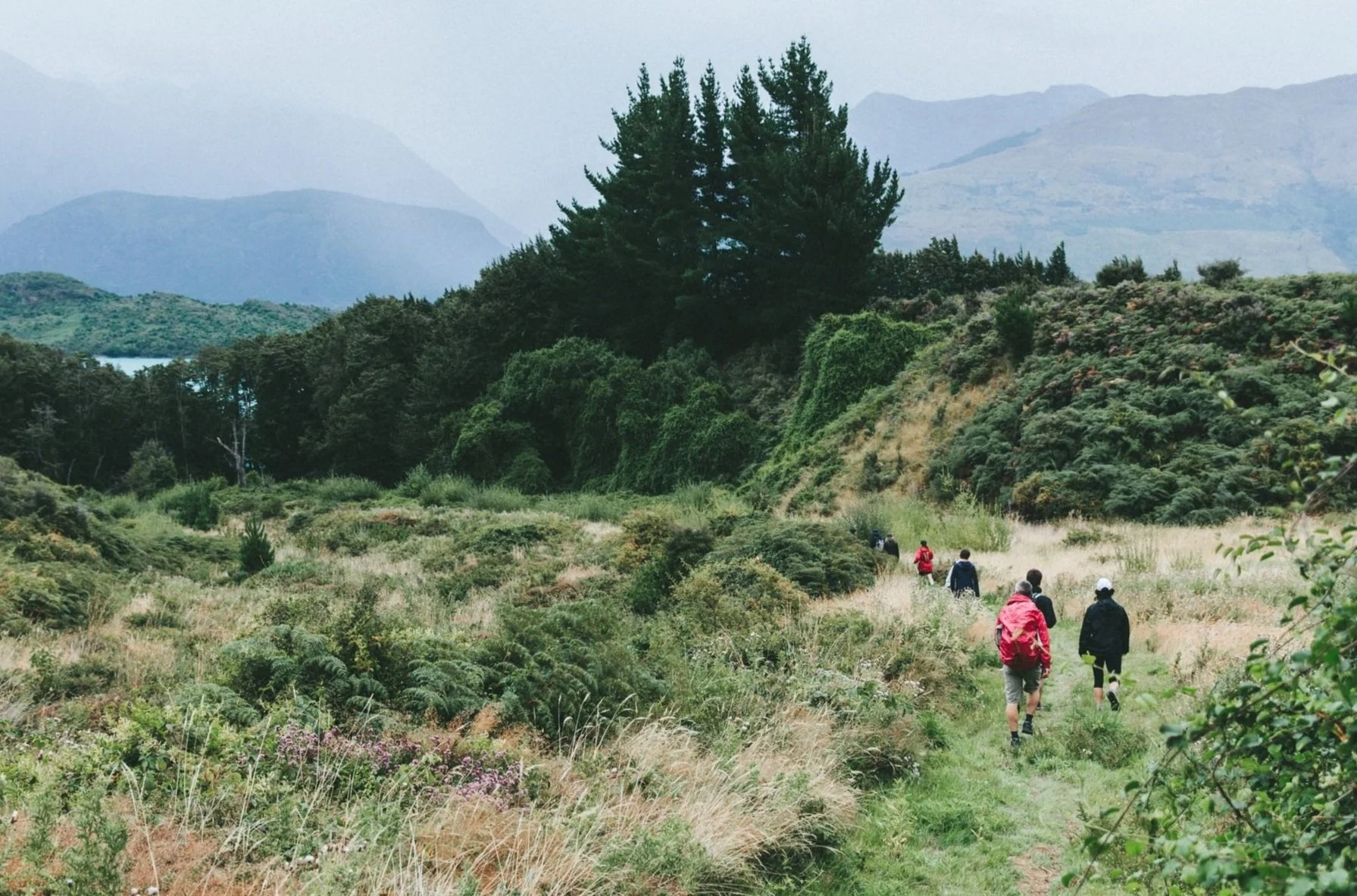
Woodland Pacific brings together lived experience, research, strengths-based practice, and dialogue to help people better understand themselves and one another—and to create environments where neurodivergent people can thrive.
We put that work into practice through facilitated groups, professional development, individual and family consultation, transition support, collaborative partnerships, and research.
What’s Happening Now
Facilitated Groups
Neurodivergent Adulting
Understanding ND Loved Ones
Our virtual groups create space for neurodivergent adults—and the people who care about them—to explore identity, relationships, strengths, and lived experience in conversation with others.
Rather than offering a prescribed curriculum or advice, each group is shaped by the people in it, using facilitated dialogue and strengths-based practices to build greater understanding of ourselves and one another.
How We Can Help
-
![Four people in Zoom meeting]()
Facilitated Groups
Small, facilitated groups where neurodivergent adults and the people who love them can explore identity, relationships, strengths, and lived experience together. Each group is shaped by the people in it and grounded in dialogue, reflection, and shared learning.
Neurodivergent Adulting
Understanding ND Loved OnesOur most recent groups have closed, but we continue to welcome interest. When enough people are looking for a similar kind of conversation, we may be able to form a new group between scheduled offerings.
-
![Adult learners in a professional development setting]()
A Different Way to Read Learners
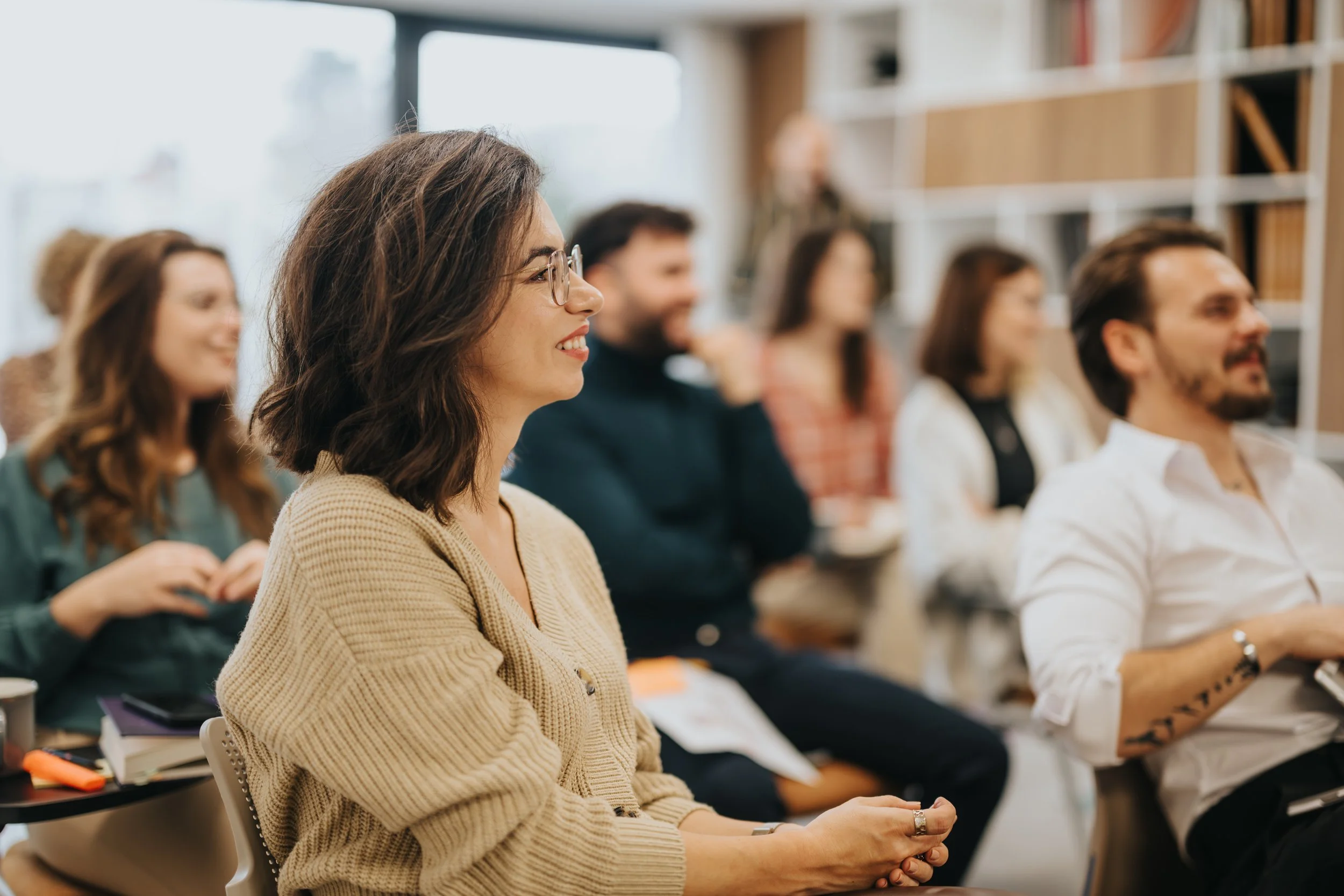
A two-day professional development experience for secondary educators that examines how we interpret learner behavior—and how those interpretations shape expectations, relationships, and access to learning.
Rather than beginning with another list of traits or accommodations, the workshop asks what becomes possible when educators slow down, get curious, and learn to read learners differently.
-
![Outdoor setting with stone seats in a circle]()
Individual & Family Consultation
Strengths-based consultation for neurodivergent adults and families seeking greater understanding of learning patterns, relationships, environments, and experiences that may have been misunderstood over time.
Together, we make space for clearer communication, greater self-understanding, and environments that fit the people living in them.
-
![Ivy covered university building and a path and bike rack in front]()
Graduate School Launch
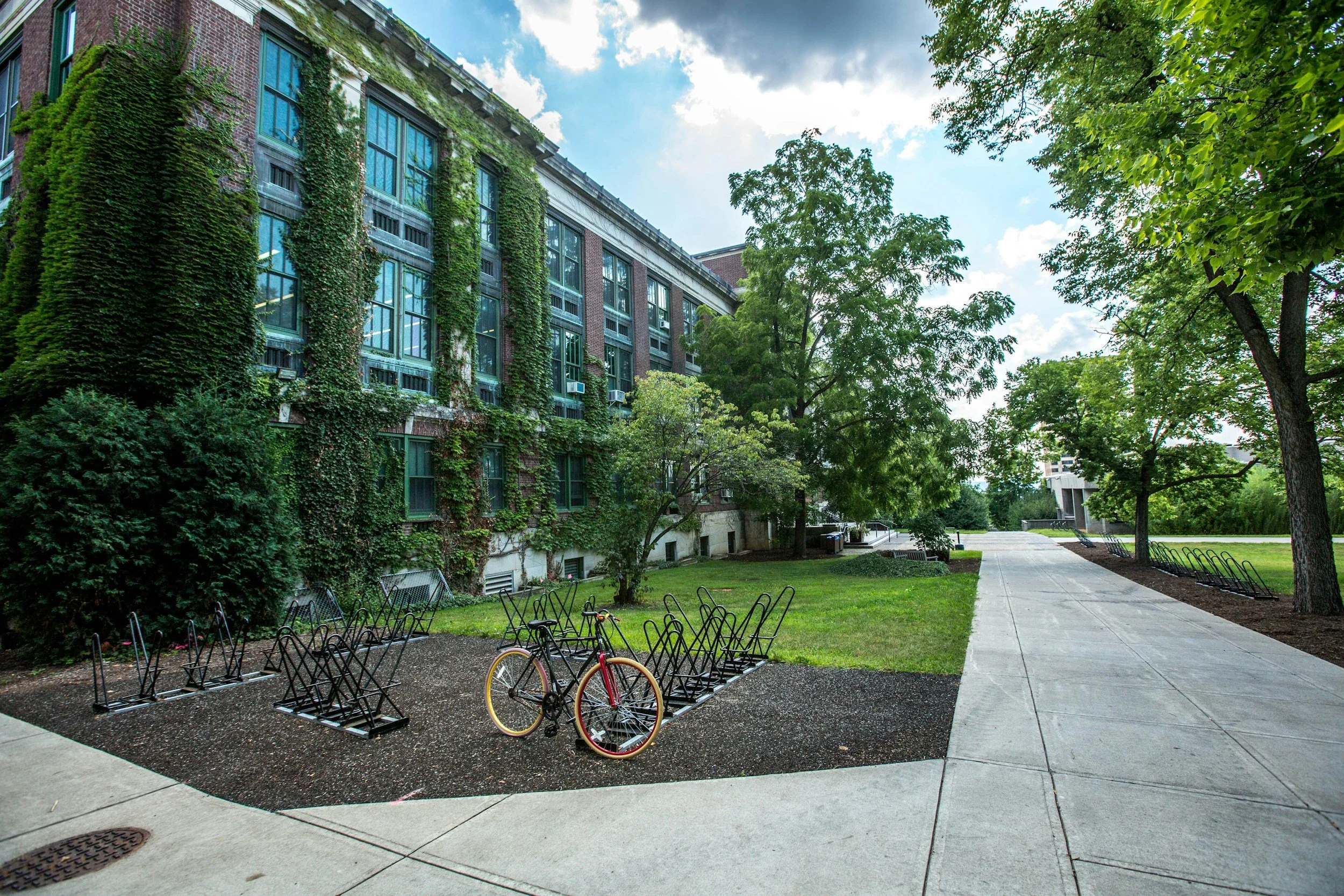
Strengths-based transition support for neurodivergent learners preparing for graduate or professional school.
Beginning with the learner rather than a generic checklist, Graduate School Launch brings together strengths assessment, positive niche construction, narrative recovery, self-advocacy, academic strategies, research tools, responsible AI use, and the learner’s own network of support.


Reflections from Woodland Pacific
Thoughtful reflections on neurodivergence, belonging, relationships, work, and meaning—for neurodivergent adults and the people who care about them.
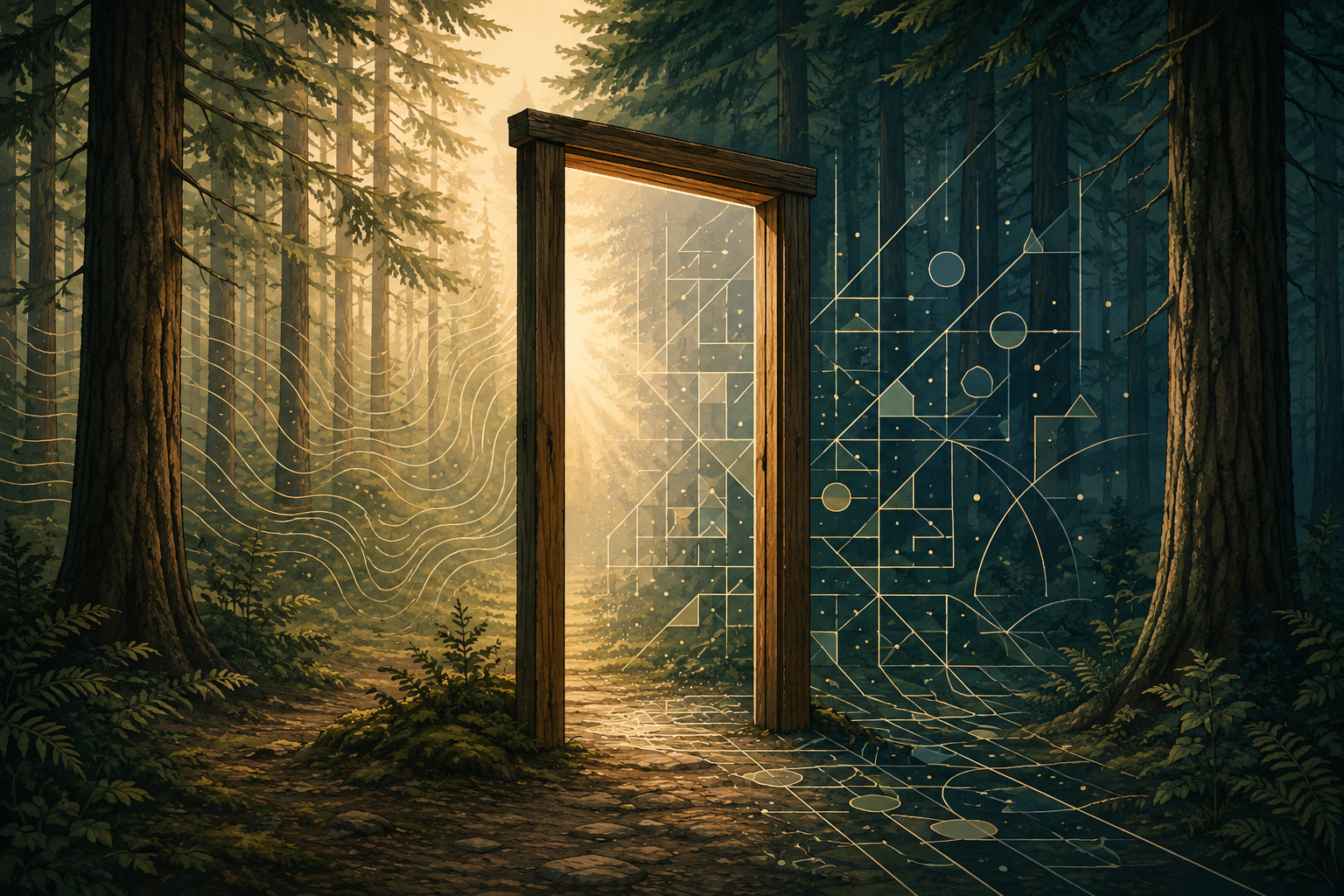
Building What’s Next
-
Phase I
Building Community
Virtual and Mobile Offerings
• All current offerings (facilitated groups, workshops, retreats) available online or delivered off-site.Community Building
• Build a community of supporters, collaborators, and donors.
• Develop partnerships with schools, universities, and organizations.
• Learn alongside peer nonprofits and educational organizations.Infrastructure Setup
• Establish the organizational foundation
• Develop curricular modules
• Initiate foundational fundraising -
Phase II
Building Place
Biophilic Campus
• Identify and secure land for a permanent biophilic campus.• Partner with architects, engineers, landscape architects, and environmental experts to help us design and build our biophilic campus.
Pilot Summer Bridge Program
• Launch at third-party locations
• Refine programs through participant feedback and research.Sustain and Expand Virtual Services
• Continue remote offerings while campus development is underway -
Phase III
Building Possibility
Onsite Programming
• Deliver full Summer Bridge Program, retreats, and workshops on campus.Research and Innovation
• Launch the Woodland Pacific Research Lab focused on cognitive diversity and biophilic designHybrid Accessibility
• Maintain virtual programming to serve broader audiencesCommunity Engagement and Growth
• Deepen partnerships; Expand donor base
• Foster alumni network and long-term collaborators
Our Story
-
To help neurodivergent learners, educators, and organizations thrive through strengths-based education, research, and community.
-
A future where cognitive diversity is recognized as an asset and every person has access to environments where they can thrive.
-
Woodland Pacific began long before it had a name—with someone we love struggling, and a search for something better.
Co-founders and couple Jared James May and John Paul Edwards met in Boston—Jared was working at Harvard; John was completing doctoral work at Boston College. Their relationship, first romantic, eventually became the foundation for a shared vision of education. As Jared returned to school, John’s pastoral sensibility—marked by curiosity, reflection, and a strengths-focused approach—helped Jared rediscover confidence as a learner.
That success took root at Villanova University, where both would work for over a decade. Villanova’s Augustinian values of justice, interiority, and relationality deeply shaped the philosophy that continues to guide Woodland Pacific: one of dignity, inclusion, and community.
The idea matured when Jared began his doctoral work at Bridges Graduate School of Cognitive Diversity in Education, a school grounded in Dr. Susan Baum’s leadership in twice-exceptional education and shaped by the scholarship of Dr. Joseph Renzulli and the University of Connecticut. Bridges provided both an academic framework for strengths-based, neuro-affirming education and a community where future collaborators first found one another.
In the summer of 2021, during Bridges residency, Jared met Véra Radunsky, Danielle Mizuta, and Amy Clark. What began as academic conversations stretched into long evenings of reflection, laughter, and shared hopes for the future. Over time, those friendships deepened. Ideas turned into projects, and projects turned into a collective sense of mission. The group began offering workshops for faculty and parents, experimenting with formats rooted in dialogue, reflection, and learner-centered support.
Meanwhile, Dr. Joyce, a fellow Villanova faculty alum and longtime friend of John and Jared, was bringing her own expertise in inclusive education and leadership into the conversation. Her presence helped connect the values of Villanova and Bridges, and she became a trusted voice as early ideas began to solidify into something real.
As these educational conversations unfolded, Christie May, a strategic leader at Deloitte, was moving through the ranks of corporate leadership and gaining insight into what many organizations still miss: that failing to engage neurodivergent talent isn’t just an equity issue—it’s a business loss. Her clarity about how systems overlook valuable minds became an essential part of the Woodland Pacific vision.
Woodland Pacific grew from these intersecting journeys—friendship and vocation, learning and lived experience, theory and trust. It’s an effort to scale something we found in small, transformative moments: what becomes possible when neurodivergent people are met with recognition, consistency, and the space to grow into themselves. We believe that every person carries a spark—an emerging combination of strengths, interests, sensitivities, and possibilities that can be overlooked, misunderstood, or suppressed by poorly matched environments.
Woodland Pacific exists to help people and environments adapt to one another so that spark can be protected, developed, and expressed.
Meet Our Board
-
![Portrait of a man with glasses and a beard, smiling, in front of a background of green trees.]()
Jared James May, EdD Candidate
Co-founder & President
-
![A smiling man with glasses and a beard wearing a pink checkered shirt, standing outdoors with trees in the background.]()
John P Edwards, PhD
Co-founder & Treasurer
-
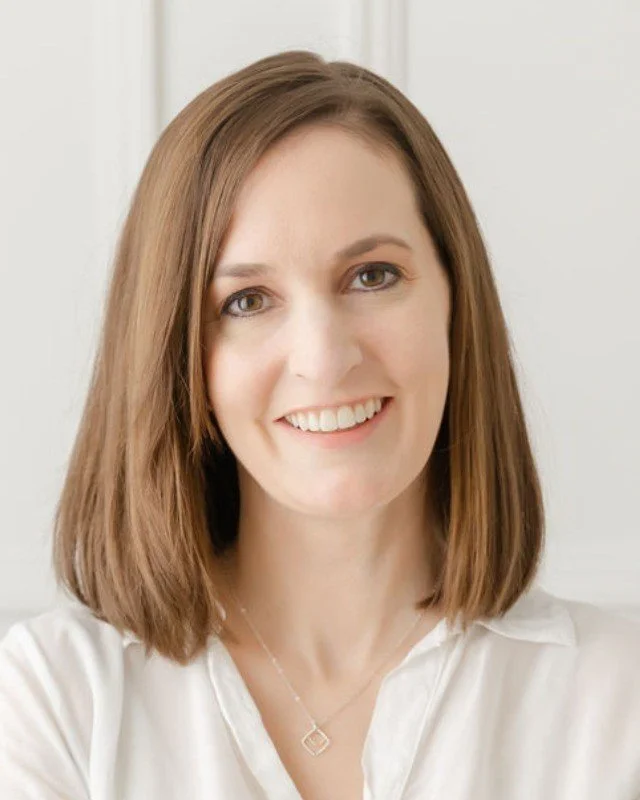
![A smiling woman with shoulder-length brown hair, wearing a white blouse and a silver necklace, standing in front of a neutral background.]()
Amy Clark, EdD
Secretary
-
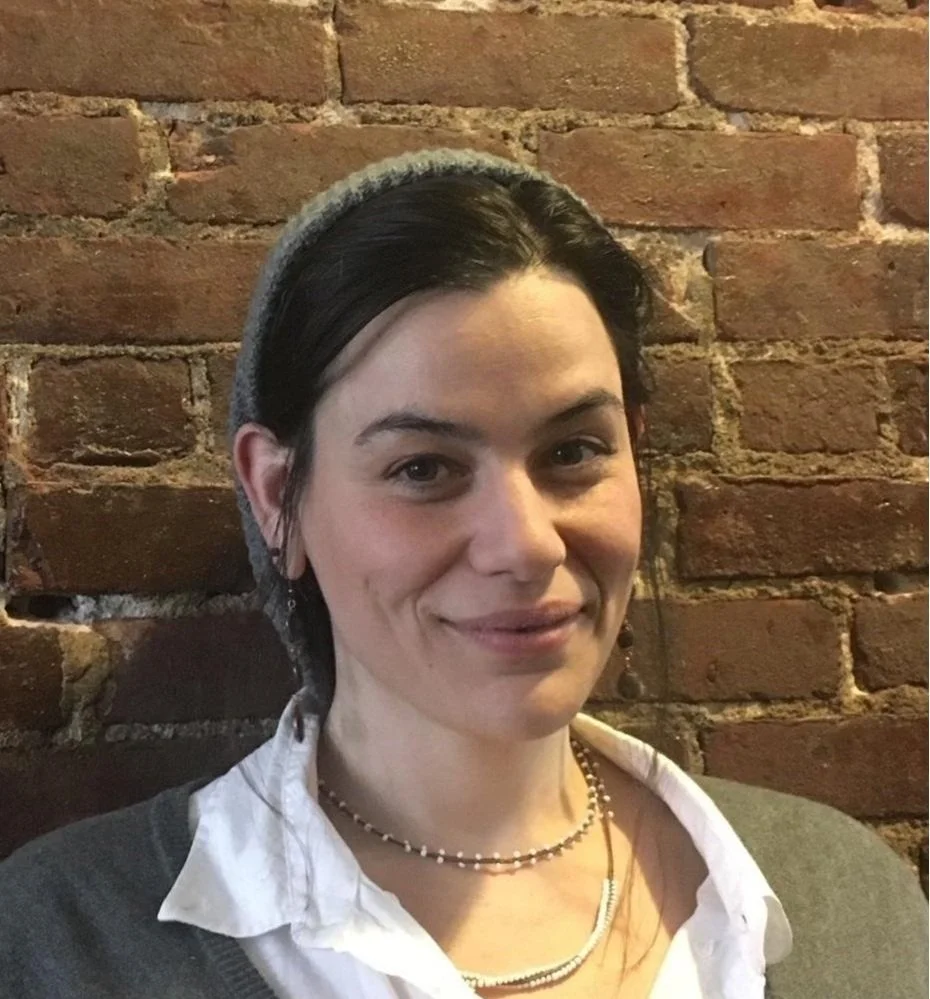
![A woman with dark hair, wearing a gray beanie, white shirt, dark sweater, and layered necklaces, standing in front of a brick wall.]()
Véra Radunsky, EdD
Founding Board Member
-
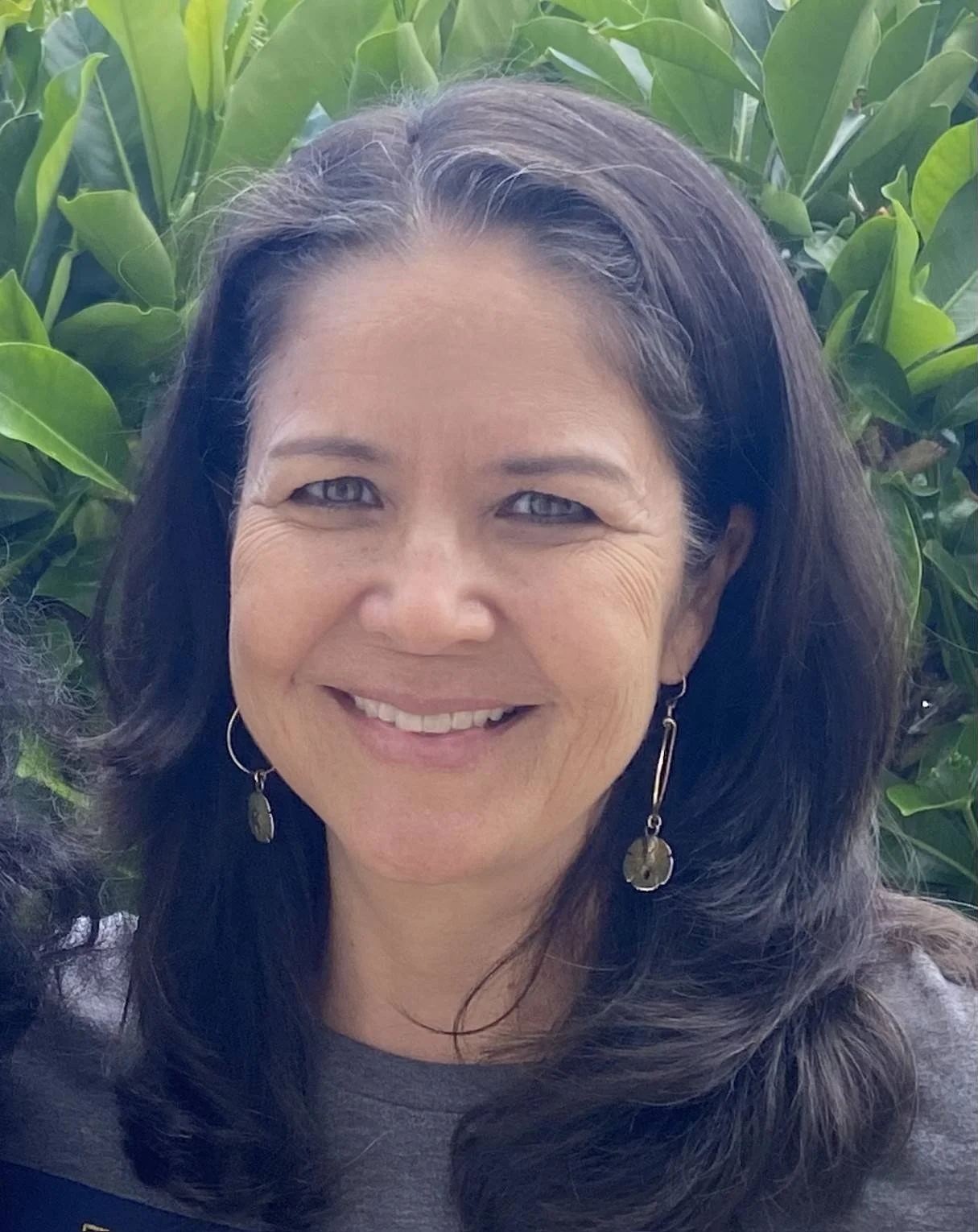
![A smiling middle-aged woman with long dark hair, blue eyes, and earrings, standing in front of green plants.]()
Danielle Mizuta, EdD
Board Member
-
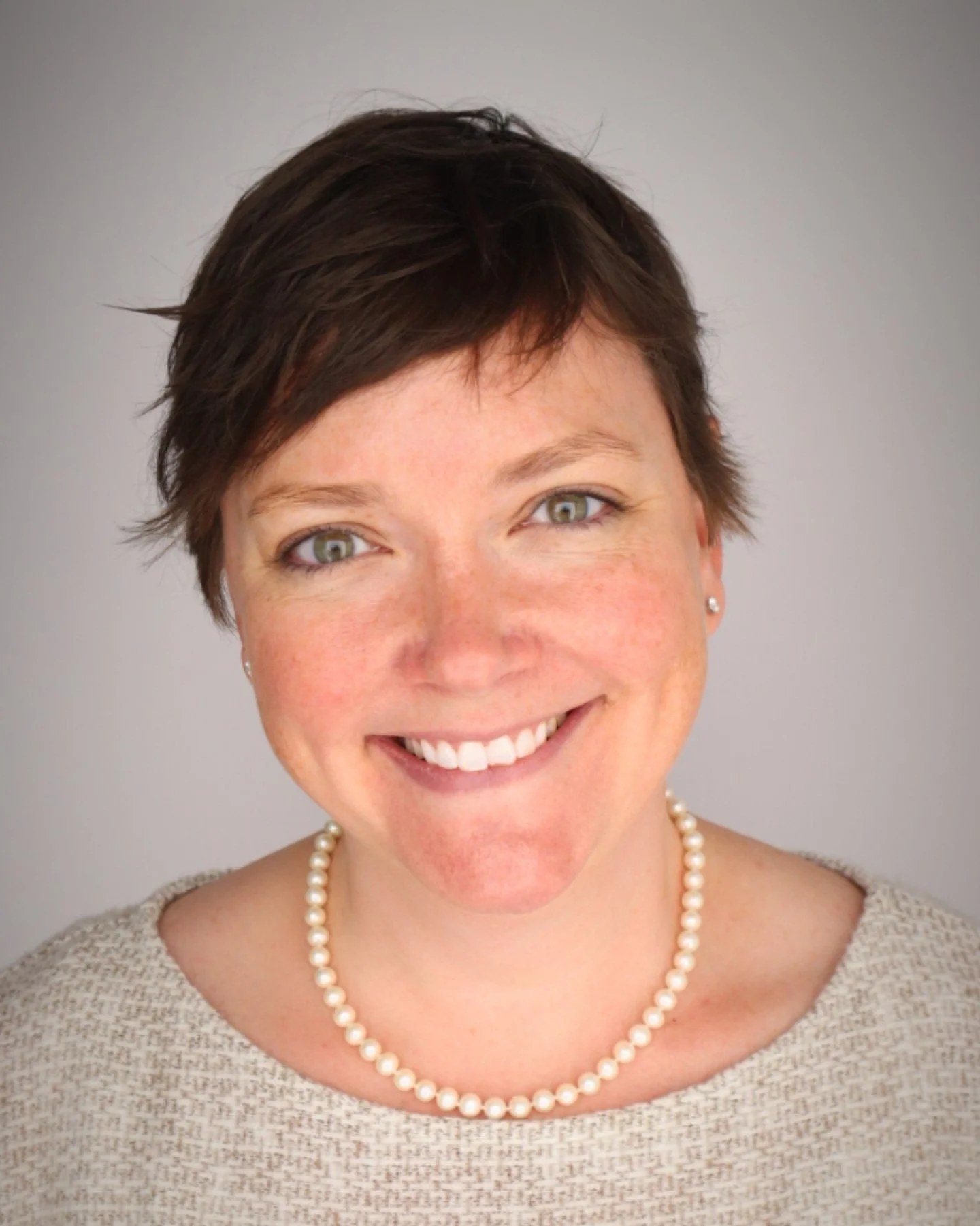
![Headshot of a smiling woman with short dark brown hair, green eyes, wearing pearl earrings and a pearl necklace, in front of a plain gray background.]()
Christie May, MBA
Board Member
-
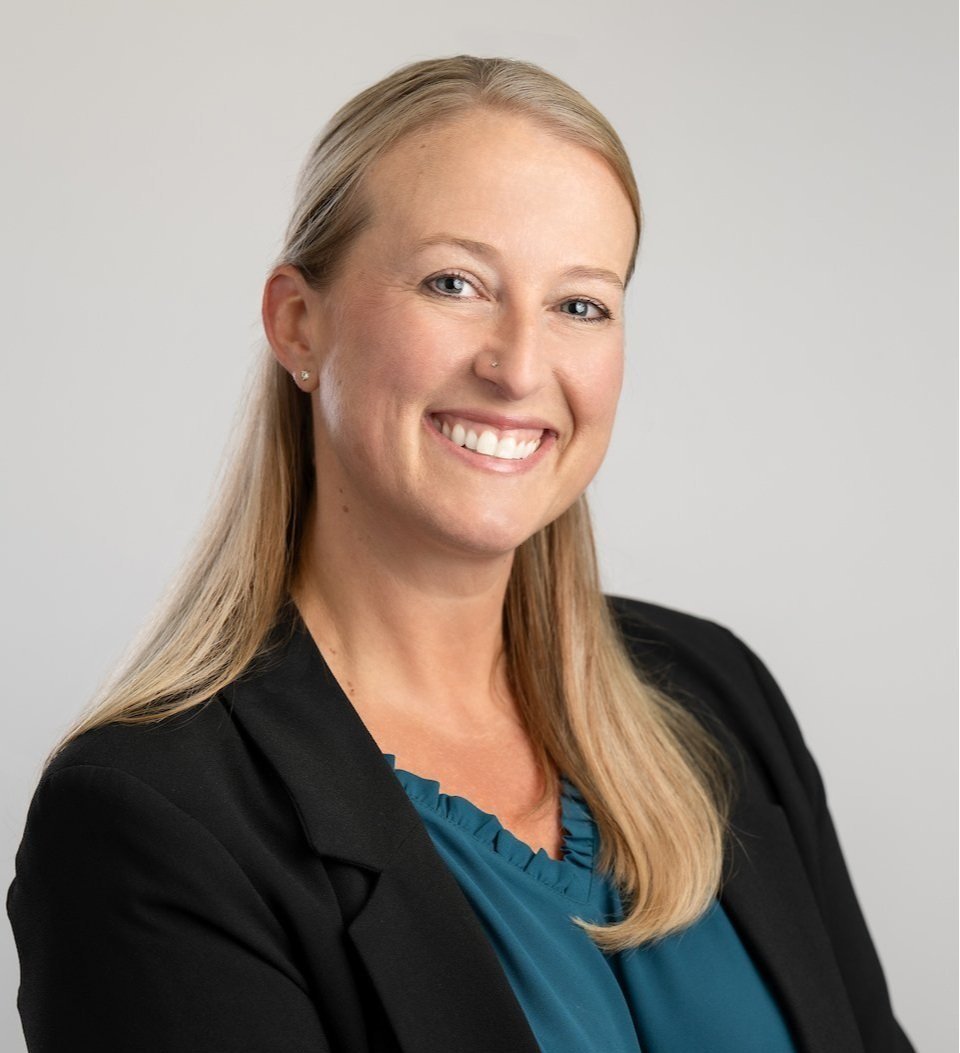
![Professional woman with blonde hair smiling, wearing a black blazer and teal blouse, against a plain light gray background.]()
Jennifer Joyce, PhD
Past Board Member


Build With Us

Woodland Pacific is being built through the generosity, expertise, and collaboration of people who believe neurodivergent minds deserve environments where they can thrive. Whether you have time, knowledge, resources, or simply a desire to help, there's a place for you in what we're building.
-
Our work depends on people from many disciplines. Educators, researchers, architects, clinicians, designers, engineers, grant writers, artists, communicators, and professionals from countless other fields all help shape what Woodland Pacific will become. Whether you can contribute for a day or over many years, your expertise can help build something lasting.
-
The best ideas rarely emerge in isolation. Woodland Pacific partners with schools, colleges and universities, nonprofit organizations, employers, foundations, and community groups to develop new programs, explore new research, and create environments where more people can thrive.
-
Financial contributions help us expand facilitated groups, develop educational programming, advance research, and move toward our vision of a permanent biophilic campus. Every gift, regardless of size, helps create new opportunities for neurodivergent learners, families, educators, and professionals.
-
Woodland Pacific is actively seeking land for our primary Pacific Northwest campus as well as future regional sites. If you have property you'd consider donating, please reach out.
-
Follow our progress, share our work with others, subscribe to updates, and help introduce Woodland Pacific to people and organizations who may benefit from what we're building. Every conversation helps grow our community.
Woodland Pacific is still in its earliest chapter.
Every volunteer, partner, donor, and advocate helps shape not only what we become, but how we serve future generations of neurodivergent learners, families, educators, and communities.
We'd be honored to have you join our story.